
Bettor wants to bet online
A bettor cannot simply open an app and place a wager; several gates have to clear first, and most complaints about a "broken" app trace back to one of them. The sequence is legal, technical, and financial, in that order.
State legalization determines whether a licensed sportsbook can operate in a given state at all. Online sports betting is now permitted in a majority of states, but the list changes as legislatures act, and a handful of states allow retail sportsbooks at casinos while still barring mobile wagering — a distinction that matters more than the simple "legal or not" framing suggests, since a bettor standing in a legal state can still be locked out of the app version of the same book. A current state-by-state breakdown is maintained by Action Network.
Once the state permits it, geolocation verification confirms the bettor's device is physically inside that state's borders at the moment of the bet — not merely that the account was opened there. This is why a bettor who crosses a state line mid-session, or who tries to bet on a hotel Wi-Fi network routed through another state, can suddenly be blocked from placing a wager despite having a fully verified account.
Account verification, commonly called KYC (know your customer), completes signup: the sportsbook checks a government ID, Social Security number, and date of birth against identity databases before releasing any withdrawal rights, and often before allowing a deposit at all. This step is why a first deposit can sometimes sit "pending" — the platform is confirming identity, not processing payment.
Only after state eligibility, location, and identity are confirmed can a wager be placed on a betting market. If any one of the three fails, the app will refuse the bet — usually with a generic error message rather than an explanation, which is the most common reason a legally eligible bettor cannot get a bet down.
Bettor selects a betting market
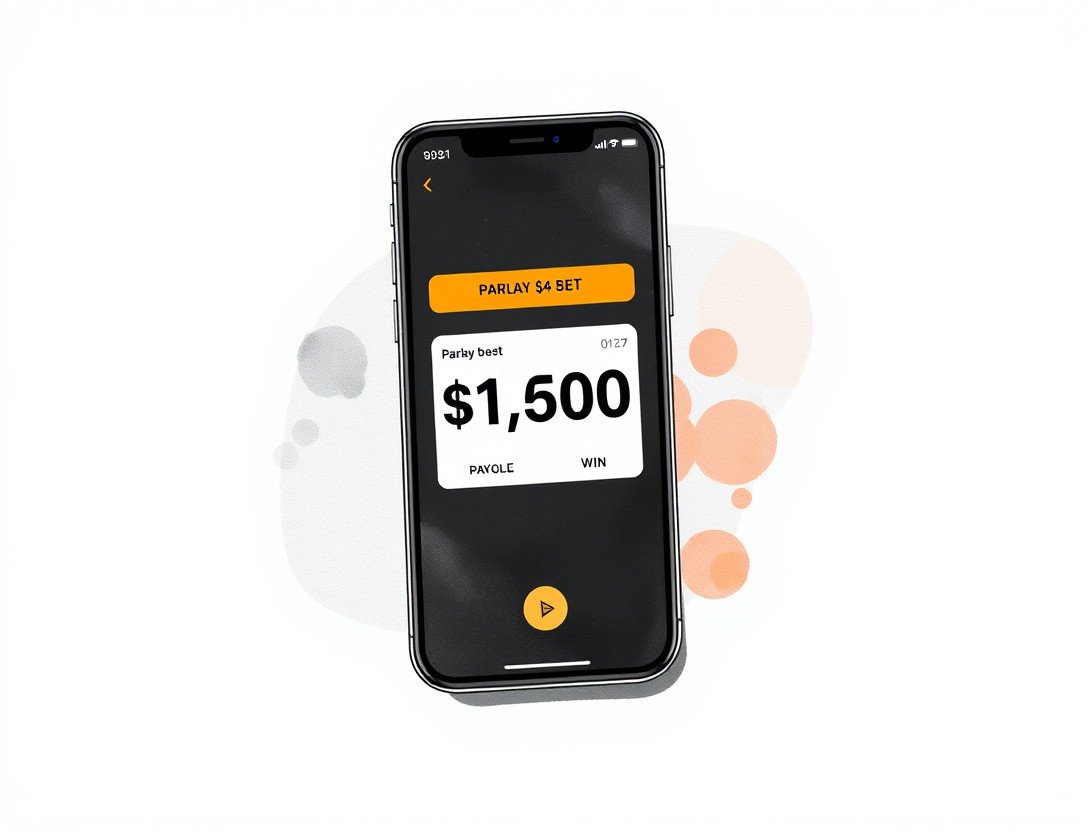
A betting market is the specific proposition being priced — which team wins, the final combined score, or a player's individual statistical output — and each market carries its own line. The betting line is the number that prices that market: a point spread, a total, or a moneyline, expressed in American odds format on most U.S. sportsbooks (e.g., -110 or +150).
The wager amount, combined with the odds on the line, determines the payout. In American odds, a negative number shows how much must be staked to win 100 units, while a positive number shows how much a 100-unit stake would return; multiplying the stake by the implied ratio gives the total return, including the original stake. A basic overview of how these wagers and markets function is laid out on Wikipedia's sports betting entry, and sportsbook comparison sites such as CBS Sports and SportsLine publish daily lines so bettors can see how the same market is priced across operators.
When a wager settles as a win, the sportsbook credits the payout to the account balance, and the bettor can then request a withdrawal — a step that is functionally separate from settlement and can take additional time, discussed further below.
Long-odds parlay or prop hits
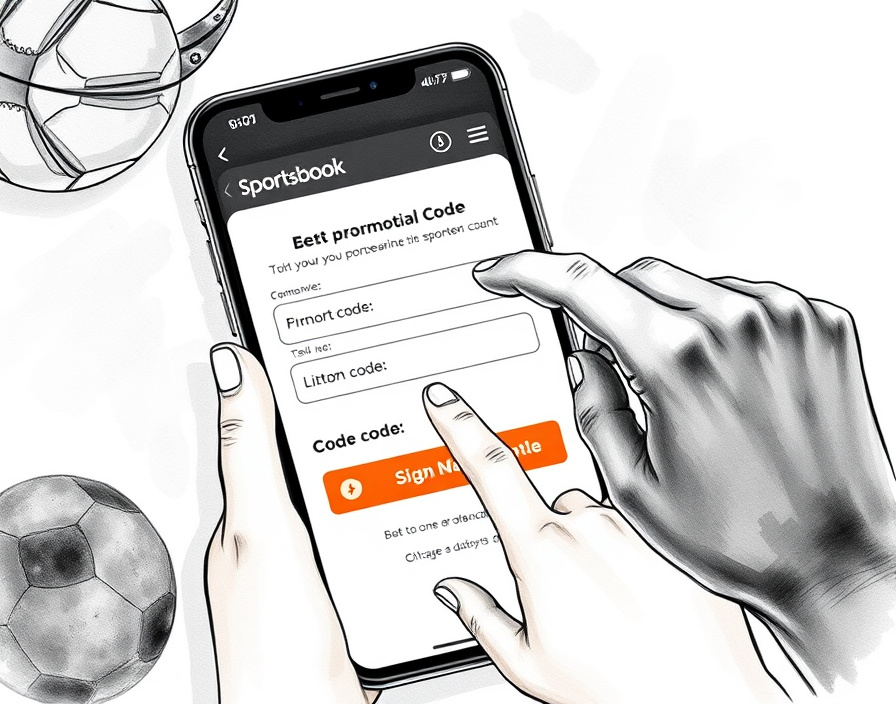
A long-odds parlay — multiple legs combined into a single bet, all of which must win — or a single long-shot prop can turn a small stake into a very large payout, because the odds compound across legs. This is the mechanism behind viral betting-slip screenshots showing a modest wager returning six or seven figures; it reflects the multiplied probability of every leg hitting, not a special payout rule.
When such a parlay hits, the large payout is credited to the account, but very large wins cross federal reporting thresholds that smaller bets never touch. In the United States, gambling winnings are taxable income, and the IRS requires reporting and withholding at defined thresholds tied to bet size and payout multiple; sportsbooks issue a W-2G form when a win meets those thresholds, as summarized in coverage of state betting law and taxation on Action Network and in the general overview of the industry on Wikipedia. The bettor still owes tax on gambling winnings as ordinary income regardless of whether a form is issued, and the sportsbook's reporting obligation does not change how the payout itself is delivered — it can still arrive as an account credit rather than an instant transfer.
Bettor enters a promo code at signup
A promo code entered at signup is what unlocks a sportsbook's welcome offer — typically bonus bets, a deposit match, or "bet and get" credit — and without it, the same signup may not receive the advertised terms. The code itself carries no value; it is a key to the offer, not the offer.
Welcome-offer credits are issued once the qualifying deposit and first wager are placed, but those credits are not the same as cash. Bonus terms govern how bonus bets convert into withdrawable funds: most require the bonus amount (and sometimes the deposit alongside it) to be wagered a set number of times before any of it can be cashed out, and many restrict which markets or bet types count toward that requirement. Reviews of current welcome offers are tracked by comparison sites such as Sports Betting Dime and Fox Sports, though the exact wagering multiple, game weighting, and expiry window are set by each operator individually and change often enough that a bettor should read the current terms on the app itself rather than a summary page.
Disputes over unreleased bonus funds — a bettor who believes a bonus bet should have converted to cash but finds it still locked, or an offer that did not credit at all — are resolved through customer support, and resolution generally hinges on the exact wording of the terms accepted at signup rather than the marketing headline that advertised the offer.
Online sportsbook
An online sportsbook is the licensed website or app through which all of the above happens: account creation, geolocation checks, deposits, market selection, and payout. Licensing is state-specific in the U.S. — a sportsbook licensed in New Jersey is not automatically licensed to accept bets from a resident of Texas, for instance — and the operator's license is what distinguishes a regulated book from an offshore site operating outside any U.S. state's oversight. Offshore books, often licensed in Curaçao or similar jurisdictions, fall outside the consumer protections and dispute-resolution channels that state gaming regulators provide, which is a meaningful distinction that a promo code or bonus offer does not reveal on its own.
Wager
A wager is the individual stake a bettor places on a single market or leg of a market. Its size is the number multiplied against the betting line's odds to produce the payout, and it is also the figure regulators and sportsbooks use to determine reporting thresholds on unusually large wins, as described above.
Payout
A payout is the total amount returned to a bettor when a wager wins, including the original stake. It differs from "winnings" in tax terms — winnings are the payout minus the original stake — which matters when a bettor is calculating what portion of a credited payout is taxable income.
Sports betting
Sports betting is the general practice of wagering money on the outcome of sporting events, a practice with a long history that predates any single state's legal framework, as traced in the Wikipedia overview of sports betting. In the U.S., its legal status shifted substantially after federal restrictions were lifted, opening the door for individual states to license and regulate it rather than treating it as uniformly prohibited.
Betting line
A betting line is the posted point spread, total, or moneyline that prices a specific market, and it moves in response to wagering activity and new information (injuries, weather, lineup changes) between when it is posted and when the event starts. Lines can differ slightly between sportsbooks for the same game, which is why bettors comparing markets across operators, as aggregated by sites like SportsLine and CBS Sports, can sometimes find a better price on an identical outcome.
What is the best sports gambling site?
There is no single best sports gambling site — the right one depends on which sportsbooks are licensed in the bettor's own state, since a book unavailable there is not a usable option regardless of its reputation elsewhere. Comparison coverage from outlets such as CBS Sports, Fox Sports, and Sports Betting Dime typically evaluates sportsbooks on a similar set of attributes rather than crowning one universal winner.
| Attribute | What to check |
|---|---|
| State licensing | Whether the operator holds an active license in the bettor's specific state |
| Odds competitiveness | How the posted line compares across operators for the same market |
| Bonus terms | Wagering multiple, expiry window, and whether bonus bets or cash are issued |
| Withdrawal speed | Processing time and supported payment methods once verification is complete |
| Market breadth | Range of sports and prop types offered beyond major leagues |
Given that legality is the first filter, the more useful question for most readers is which licensed sportsbooks operate in their own state, which the state-by-state guide from Action Network addresses directly, rather than which app ranks highest in a general comparison.
What happens if you win over $100,000 on FanDuel?
A win over $100,000 is credited to the account balance the same way any other win is, but it triggers federal tax reporting obligations that smaller wins do not. Sportsbooks issue a W-2G form for wins that meet IRS reporting thresholds tied to the payout amount and odds, and federal withholding can apply directly to the payout before it is credited, a mechanic described in coverage of sports betting regulation on Action Network and in the general background on the industry from Wikipedia.
Large payouts are also subject to the sportsbook's own account limits and verification checks: a win of that size can trigger an additional identity or source-of-funds review before the funds are released for withdrawal, separate from the tax paperwork. This is why a six-figure win does not necessarily arrive in a bank account the same day it settles — the payout is credited to the balance immediately, but the withdrawal itself moves through the same KYC and payment-rail process as any other cashout, only with extra scrutiny attached given the size.
Bettors expecting a lump-sum wire the moment a bet settles are often surprised by this gap between "the bet won" and "the money is in the bank," which is the most common source of confusion around very large wins on regulated sportsbooks.
Who bet $100 to win 1.7 million?
Individual viral betting slips — a small stake turning into a seven-figure payout — circulate periodically as screenshots of long-odds parlays that hit every leg, but no verifiable, sourced record of a specific named bettor and payout at that figure is available here to confirm details of any one case. What is verifiable is the mechanism: a modest stake on a parlay with enough legs at long enough odds can mathematically produce a payout in the hundreds of thousands or millions, because parlay odds multiply across every leg rather than adding, as outlined in the general mechanics of sports betting on Wikipedia.
Any bettor considering a similar long-shot parlay should treat the payout thresholds discussed above — tax withholding, W-2G reporting, and sportsbook account review — as the practical follow-up to a win of that size, since the size of the number is exactly what invites that extra scrutiny.
Before placing a first bet, check the state-by-state legal status against Action Network's guide, confirm the sportsbook's license covers the state of residence rather than just the state of signup, and read the bonus terms in the app itself rather than relying on a promotional headline.