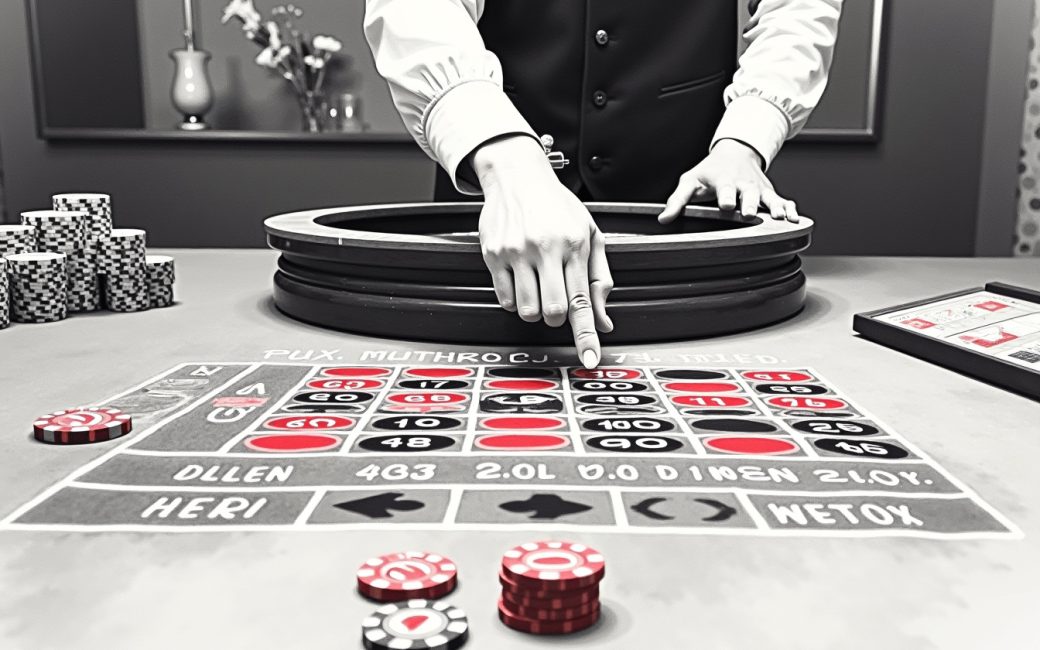
A new player cannot read a table layout or bet sequence
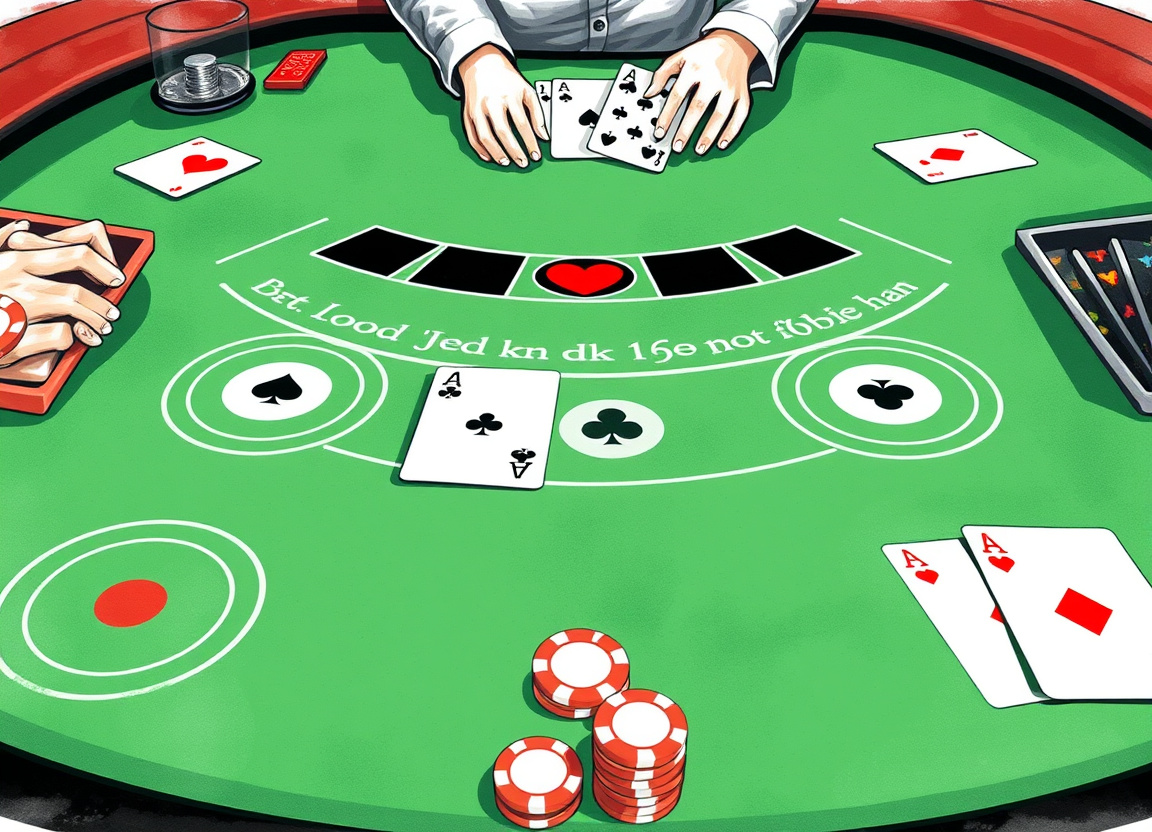
A new player looking at a roulette layout or a blackjack table for the first time cannot tell where to place a chip, what a hand signal means, or how a payout gets calculated before the dealer moves on. That confusion is the actual source of most early losses, not the game's mathematics. A player who bets the wrong amount, misses a doubling opportunity in blackjack, or places a roulette chip on the wrong line is losing to their own unfamiliarity with the format, not to the house.
Free-play and social casino platforms exist specifically to remove that gap. Sites that host casino-style games without a cash payout — the kind Skrill's overview of gambling and casino game types distinguishes from real-money iGaming — let a player run through table layouts, bet sequences and payout structures with no stake attached. Browser collections such as FunnyGames' casino section and mobile apps like Classic Slots on Google Play work the same way for reel games: the reels spin, the paylines pay, but nothing is won or lost in real currency.
A sensible path from curiosity to competent play looks like this:
- Pick the free or social version of the specific game you intend to play for money — not a generic slot, the actual title or table variant.
- Play enough rounds to recognize every bet type on the layout and what each one pays.
- Note where the game's decisions happen — the draw, the spin, the deal — and what triggers a payout versus a push or a loss.
- Only then move to a real-money table or app, starting at the table's posted minimum rather than a bet size you haven't yet budgeted for.
That sequence matters because it separates two different kinds of loss: the loss built into the game's edge, which no amount of practice removes, and the loss caused by not knowing the rules, which free play removes for nothing.
Every casino game carries a built-in house edge set by its rules and payouts
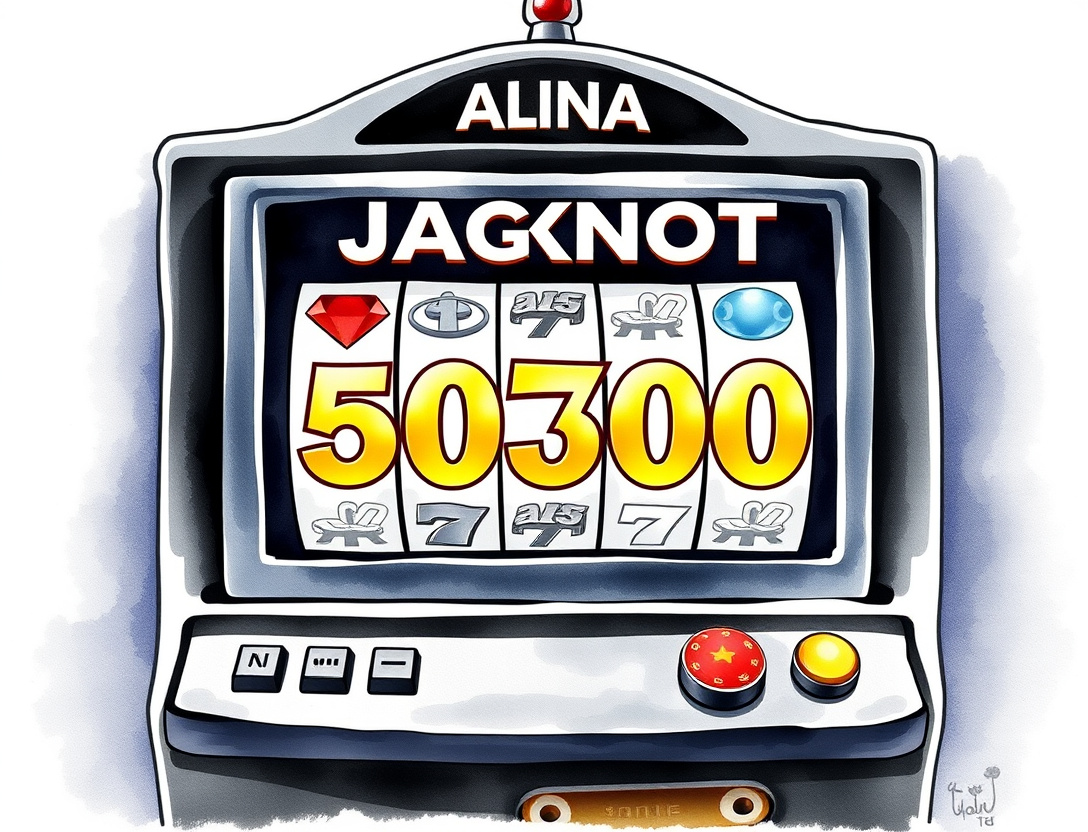
Every casino game, whether it's a reel-based machine or a dealer-run table, pays out at odds slightly worse than the true probability of winning, and that gap is the house edge. It is not hidden or variable by mood or machine "heat" — it is fixed by the game's own rules and payout table, and it is the same for every player who sits down to it.
The games grouped under "casino games" are not equivalent bets just because they sit on the same floor or app menu. Skrill's breakdown of gambling and casino formats separates reel-based games, table games and card games precisely because their payout structures and the player's influence over the outcome differ. A slot machine's outcome is entirely determined by its random number generator on every spin; a blackjack hand's outcome is shaped partly by the dealer's fixed rules and partly by the choices the player makes on each hand. Card games decided by a dealt hand rather than a wheel or a reel — baccarat, three-card poker and their variants among them — sit in their own bracket for the same reason: the outcome depends on which cards come out of the shoe against a fixed payout table, not on a spin or a ball drop. Table games such as those listed on Hard Rock's table games page — blackjack, roulette, baccarat, craps — each carry their own distinct edge depending on which specific bet is placed, not a single "table game" edge.
Before choosing a game, it's worth comparing them on the dimensions that actually change the outcome:
| Game type | Who decides the outcome | Player influence on result | Typical session pace |
|---|---|---|---|
| Slot machine | Random number generator | None once wager is placed | Fast — many spins per hour |
| Roulette | Wheel and ball physics | None once bet is placed | Moderate |
| Card game (e.g. baccarat, three-card poker) | Cards dealt from the shoe | Minimal — mostly a fixed betting decision before the deal | Moderate |
| Blackjack | Dealt cards plus dealer's fixed rules | Meaningful — bet and play decisions | Moderate |
| Poker (vs. other players) | Dealt cards plus opponents' decisions | High — betting and hand-reading skill | Slow to moderate |
Choosing a game, in practice, means matching this table to the kind of session wanted: a fast, low-decision session points toward slots; a session where decisions affect the outcome points toward blackjack or poker; a game with fixed, well-known bet odds and no skill component points toward roulette or a dealt card game like baccarat. None of this requires knowing a precise return-to-player percentage — it requires knowing which column of the table the game sits in before money goes on the table.
A progressive jackpot grows from a share of every qualifying wager
A progressive jackpot's headline number grows because a small percentage of every wager placed on that game, or across a linked network of machines, is diverted into the jackpot pool instead of paid out on that spin or hand. Progressives are attached mainly to slots, and to a smaller number of table and video poker games, as noted in coverage of popular casino game formats and Winstar's rundown of top casino games. The pool keeps climbing across every player's contribution until someone hits the triggering combination, at which point it resets toward a lower base amount and starts growing again.
A catch worth checking before playing any specific progressive title is stake-gating: on many progressive games, the full top prize is only paid to a player who wagered at or above a specific qualifying bet level printed in that game's own paytable. A player betting below that threshold can hit the same triggering symbols or cards and receive a smaller, non-progressive payout instead. Because this rule lives in the individual game's rules rather than being uniform across the category, it has to be confirmed game by game rather than assumed.
Before spinning or betting into a progressive:
- Open the game's paytable or rules screen and find the minimum qualifying bet for the top prize.
- Compare that minimum to the bet size actually planned for the session.
- If the qualifying bet is above what's budgeted, either raise the bet to qualify or pick a flat-jackpot version of the same game instead.
- Treat any progressive played below the qualifying line as a game with no realistic path to the advertised prize, regardless of the symbols landed.
That check takes less time than a single spin and prevents the specific, common failure of playing a progressive at a stake that structurally cannot win the number advertised on the machine.
Slot machine
A slot machine resolves every wager through a random number generator that determines the reel outcome independently on each spin, with no memory of previous spins and no mechanical "streak." Reel-based games are a heavily represented category across casino game listings, appearing in free-play form on sites like FunnyGames and among the real-money titles covered in SportsLine's guide to online casino games, largely because they require no rule-learning before a first spin and no interaction with other players.
The tradeoff for that simplicity is that a slot gives the player no decisions that change the outcome once the bet is placed — bet size and paylines are chosen, then the spin is entirely mechanical. Volatility (how often and how large the payouts land) varies by title and is set in the specific game's own published rules, which is worth checking for any given machine or app rather than assumed from its theme or studio. Progressive-linked slots follow the qualifying-bet rule described above; flat-jackpot slots pay a fixed top prize regardless of stake.
Table game
A table game is any dealer-run format — blackjack, roulette, baccarat, craps and their variants — played against a set of house rules rather than a spinning reel, whether at a physical table or a virtual one. Hard Rock's table games listing groups these together specifically because they share a live or simulated dealer and a resolution process that happens once per round rather than continuously: cards are dealt or a wheel is spun, bets are settled against a printed payout table, and the round ends before the next one begins.
What separates table games from each other is how much the player's own decision changes the outcome. In roulette, craps and dealt card games like baccarat, once a bet is placed the outcome is decided by the wheel, dice or shoe with no further player input. In blackjack, the player chooses whether to hit, stand, double or split on every hand, and those choices measurably change the game's edge compared with a fixed, no-decision strategy. Buying in at a table means exchanging cash for chips at the table's minimum denomination, and every bet on the layout has its own fixed payout odds printed on the felt — those odds, not the game's general reputation, are what determine the edge on any specific bet.
Poker
Poker sits apart from every other format on this list because it is played against other players rather than against a fixed house edge, and the house's revenue comes from a rake or table fee rather than from the bet itself losing money on average. Casino poker rooms and online poker platforms both spread player-vs-player games, alongside casino-table poker variants like three-card poker or Ultimate Texas Hold'em where the game is instead played against the house and does carry a fixed edge similar to other table games.
The distinction matters for how a session should be evaluated: in player-vs-player poker, a skilled player can have a positive long-run expectation against weaker opponents once the rake is accounted for, which is not possible in any pure house-edge game. In the casino-table poker variants, the math works the same way as blackjack or roulette — the payout table and house rules fix a permanent edge regardless of who's playing. Knowing which of the two is being played — a rake taken from a pot between players, or a house edge built into a fixed payout table — is the first thing to check before assuming any strategy advice for one applies to the other.
Before sitting down to any of these games for real money, check the free-play version of that exact title or table variant first, and confirm the specific rules — qualifying bet, payout table, house edge structure — printed for that game rather than assumed from its category.